
Before any interior work starts, you should have one document in your hands that spells out exactly what is being built: the BOQ, or Bill of Quantities. It’s not the most exciting part of a project, but a clear BOQ is what keeps everyone honest. Here’s what a good one should include, and why it matters, based on how we prepare them for homes, offices and restaurants at our Baner studio in Pune, where we’ve been working since 2010.
What is a BOQ?
A BOQ is an itemised list of every piece of work in your interior project: each wardrobe, each false ceiling area, each electrical point, each coat of paint. For every item it records the quantity, the unit of measurement and the specification (what it’s made of and how).
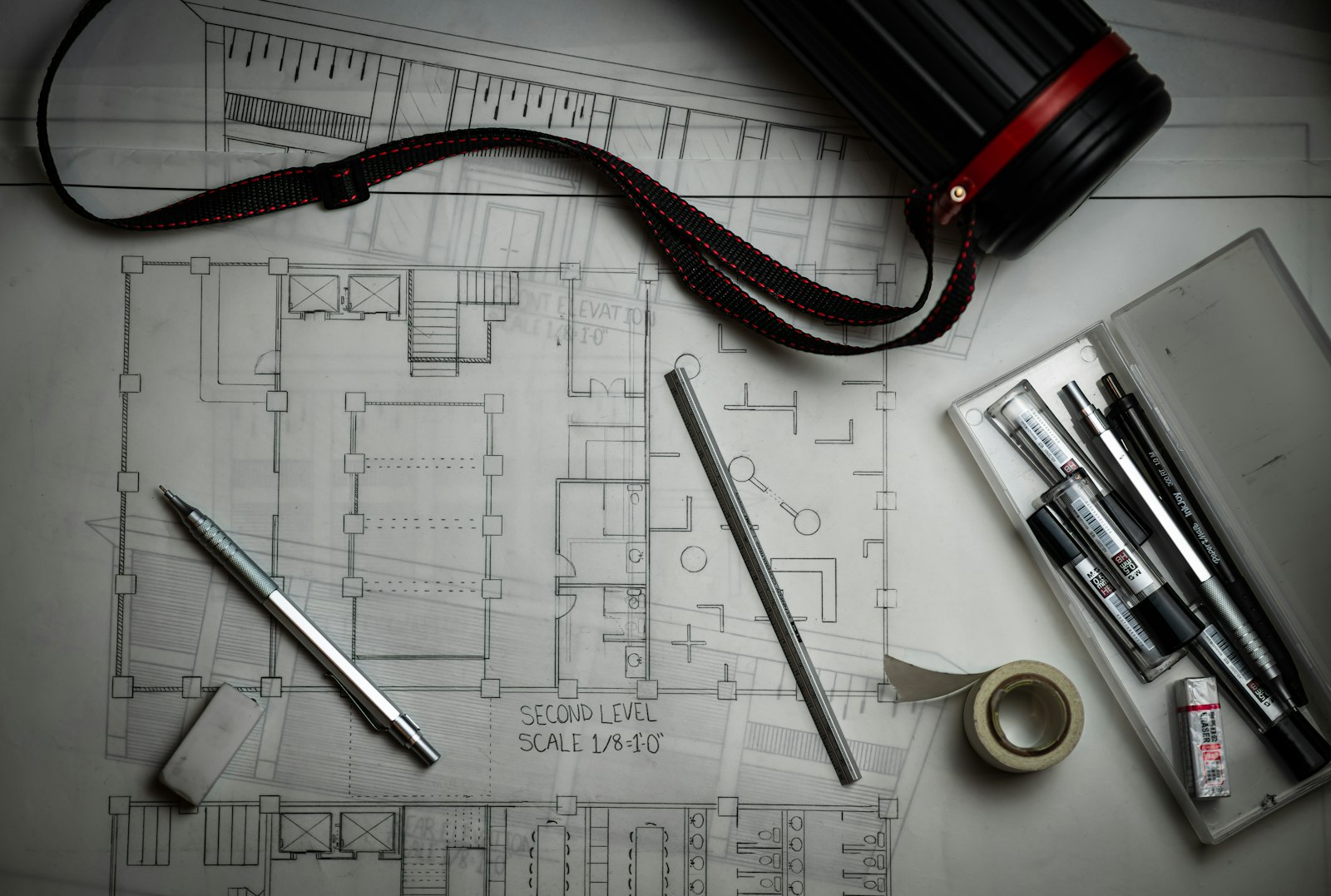
Think of it as the bridge between the design drawings and the work on site. The drawings show what the space will look like; the BOQ describes what will actually be supplied and built to get there.
What a good BOQ should include
Not all BOQs are equal. Some are a single page with lines like “Kitchen – lump sum”. That tells you almost nothing. A good BOQ is detailed enough that two different contractors would read it and build the same thing.
1. A clear item description
Each line should say what the item is and where it goes: “Master bedroom wardrobe, 3-door sliding, floor to loft”, not just “Wardrobe”. Room-by-room grouping makes it easy to check against your drawings.
2. Quantity and unit
Every item needs a measurable quantity: square feet for false ceilings, flooring and wall panelling; running feet for skirting, profiles and countertops; numbers for doors, lights and switch points. If the quantity is missing, you can’t check whether it was actually delivered.
3. Material specifications
This is where many disputes start. A good BOQ names the core material (for example, the plywood or board grade), its thickness, the finish (laminate, veneer, PU, paint) and, where it matters, the brand or an approved equivalent. “Good quality ply” is not a specification.

4. Hardware and fittings
Hinges, channels, handles, locks, kitchen accessories and lighting fixtures make a huge difference to how an interior feels after a few years. They should be listed separately, with type and make, rather than hidden inside a cabinet line item.
5. Civil, electrical and plumbing work
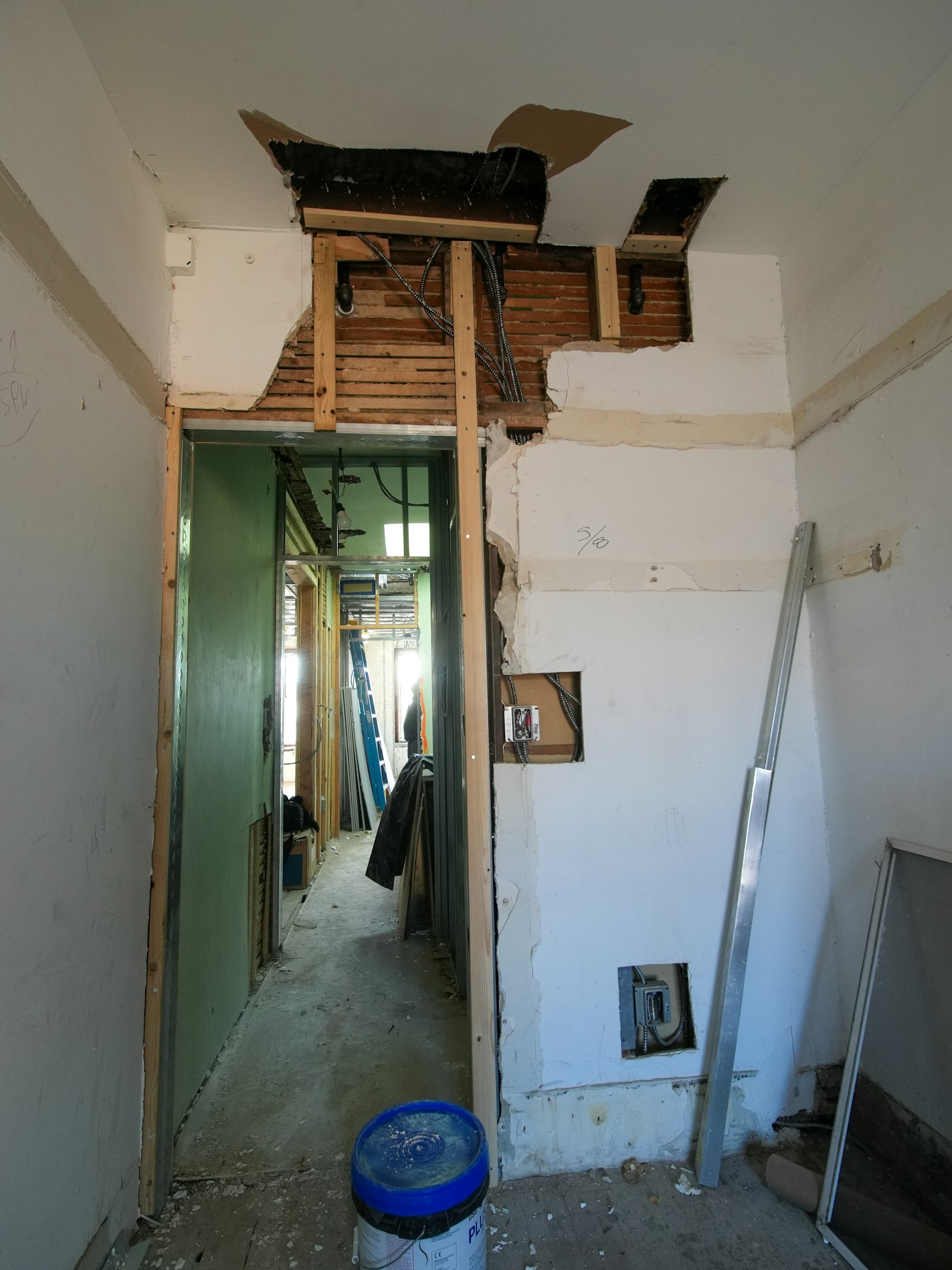
Breaking walls, re-routing plumbing, adding electrical points, data cabling in an office, exhaust ducting in a restaurant kitchen: this “invisible” work is easy to leave out and expensive to discover mid-project. A complete BOQ covers it, with points and lengths spelt out.
6. What’s included and what’s not
Good BOQs have a short section of inclusions and exclusions. Are loose furniture, appliances, curtains, deep cleaning or debris removal part of the scope? Is society or building permission handled by you or the contractor? Writing this down early avoids “I thought that was included” conversations later.
7. Drawing references
Each major item should point to the drawing it belongs to. When the BOQ and the drawings are linked, it’s much harder for things to drift away from what you approved.
Why a detailed BOQ protects you
- You can compare quotes fairly. When two contractors price the same detailed BOQ, you’re comparing like with like. Without it, a lower quote often just means a thinner board or cheaper hinges.
- It controls changes. Changes happen in almost every project. With a BOQ, any addition or change becomes a clear new line item that you approve, rather than a surprise at the end.
- It makes site checks simple. You or your site supervisor can walk the site with the BOQ and tick off items, check materials on delivery and confirm quantities.
- It ties payments to progress. Payment milestones can be linked to work completed against the BOQ, which keeps the project moving and fair for both sides.
- It’s your record after handover. Years later, when you need to replace a hinge or match a laminate, the BOQ tells you exactly what was used.
Red flags to watch for
- Large “lump sum” items with no breakdown.
- Vague words like “standard”, “premium” or “as per site” instead of real specifications.
- No mention of hardware brands or types.
- Civil, electrical or plumbing work missing entirely.
- No exclusions listed, which usually means they’ll be discussed later.
- A BOQ that doesn’t match the drawings you were shown.
If you see these, ask questions before you sign. A good designer or contractor will be happy to explain and add detail.
How we approach BOQs at EXE Interior
For us, the BOQ comes after the design is agreed and before any work begins. We prepare it room by room, link it to the drawings, list materials and hardware clearly, and walk you through it line by line so nothing is a surprise. Whether it’s a family planning a home interior in Pune, a team fitting out a new office, or an owner opening a restaurant or café, the BOQ is the document we keep coming back to on site.

FAQ
Is a BOQ the same as a quotation?
Not quite. A quotation can be a total figure; a BOQ breaks the work into measured, specified items. A good quotation is usually based on a detailed BOQ.
When should I ask for a BOQ?
Once the layout and design direction are agreed, and before you confirm a contractor or pay a booking amount for execution.
Can the BOQ change during the project?
Yes, but changes should be recorded as approved additions or deletions, so the final scope is always clear to both sides.
Do I need a BOQ for a small renovation?
Even for one room or a kitchen, a short itemised BOQ helps. It takes little time to prepare and saves a lot of confusion.
Planning a home, office or restaurant interior and want a clear, detailed BOQ from day one? Talk to our Baner studio and start your project